







Search Results for: Guangzhou Tianhe City

A MANNER barista's adoption of a stray cat has gone viral, turning the Guangzhou Tianhe City store into a new hotspot for cat lovers
At a MANNER store in Guangzhou's Teemall, baristas spontaneously took in several stray cats and furnished them with cat trees, cat beds, and food and water bowls. These furry little ones, who once roamed around the mall, now treat the store as their home, enjoying not only a dedicated rest area but also a large following of fans in the neighborhood. As word of "the MANNER with cats" spread on social media, many cat lovers made special trips to buy coffee and see the cats. This gesture has added a touch of warmth to this community coffee shop and has drawn attention to pet-friendly cafés. [more…]
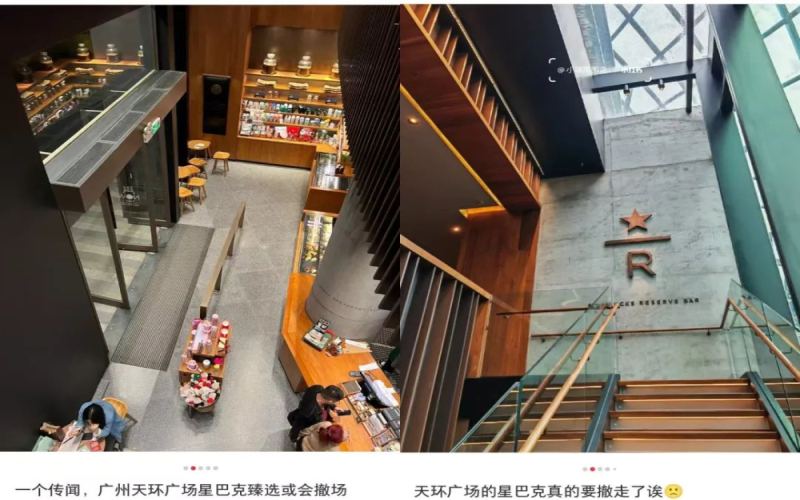
Starbucks Reserve at Parc Central in Guangzhou Confirmed to Close: Why Do Stores in Core Commercial Districts Also Struggle to Survive?
Recently, news emerged that the Starbucks Reserve store at Guangzhou's Parc Central is set to close, with official confirmation that it will officially cease operations in the coming days. This store, which opened in 2017, was created by Starbucks to celebrate its 15th anniversary of entering the South China market and was once hailed as "one of Guangzhou's most design-forward stores." Unlike previously closed old stores located in declining foot traffic commercial districts, this closure is in a core commercial area of Tianhe District, surrounded by luxury brands, and the store was almost always full on a daily basis. However, high rent, low table turnover caused by the open-plan space, and phenomena such as "people only checking in for photos without consuming" may have made it difficult for the store to be profitable after deducting costs. Starbucks stated that the reason for the closure is adjustments to the business mix in the commercial district and said there are still more than 10 nearby stores for consumers to choose from. [more…]

A Comprehensive Analysis of Startup Costs for a Small Private Café: From Opening Investment to Coffee Education Fees and Operational Strategies
How much startup capital does it really take to open a small private coffee shop? And how much does it cost to learn coffee-making? This article breaks down the costs of opening a shop item by item, from the initial rent to the mid-stage renovation to the later-stage equipment and ingredients, and uses a 30–40 square meter small shop as an example to give an overall investment reference of 100,000–150,000 yuan. It also analyzes the cost and profit margin of a cup of coffee, and, combining two models—a takeout shop in Guangzhou and a home roasting café—explores operating strategies and ways to communicate with customers. Finally, it introduces the price range of coffee-learning courses. Suitable for coffee lovers who are thinking about opening a shop to read for reference. [more…]
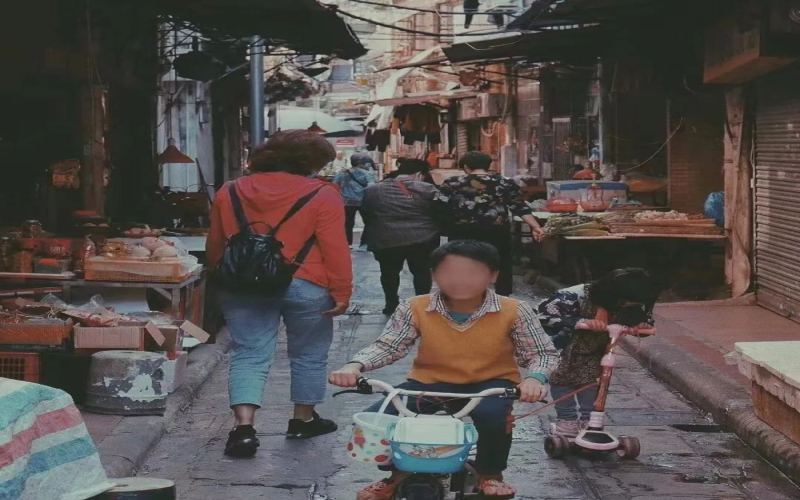
Why is coffee no longer affordable? Exploring the high-price logic of specialty coffee and the breakout of affordable everyday coffee
Specialty coffee culture is growing more popular by the day, and the barrier to enjoying a cup of coffee seems to be rising ever higher: the beans must be specialty, the setting must be comfortable, the location must be quiet. Yet coffee can, at its heart, be an everyday, down-to-earth pleasure. This article looks at Qicheng Coffee in a Guangzhou wet market, Coffee in a Hangzhou market, and Honglang Coffee inside a Shantou rice noodle roll shop, exploring the logic behind coffee shops' high prices and the neighborhood spots that are bringing specialty coffee back to affordable prices. With wallet-friendly prices and dependable quality, they give more people the chance to encounter and understand specialty coffee. Coffee culture needs to spread in a healthy way—it shouldn't have artificial barriers set up around it. [more…]
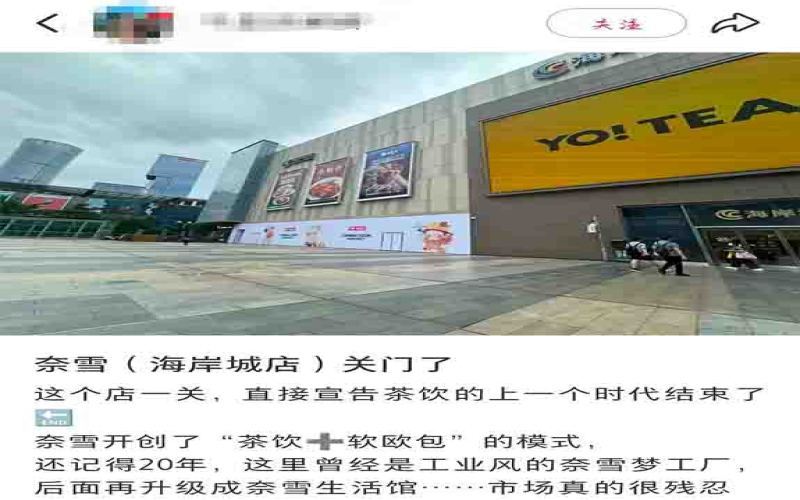
Nayuki's flagship store at Shenzhen Coastal City closes, Pop Mart takes over the original site, drawing attention
The largest flagship store "Nayuki Life," created by Nayuki in Shenzhen Coastal City, has recently been obscured by hoarding, confirming that it has quietly withdrawn, and the original site will be taken over by Pop Mart. The store was formerly the world's largest flagship store "Nayuki Dream Factory," launched in 2019 at a cost of 20 million yuan, covering 1,000 square meters and offering a diverse range of products including baked goods, tea drinks, coffee, craft beer, Western cuisine, and retail. After the Dream Factory closed in May 2022, "Nayuki Life" debuted in August of the same year with a new model. Although it retained a bookstore and coffee brand collaboration, it canceled food and alcohol services. Nearby residents reported that the store did brisk business on weekdays and was packed on holidays, and its sudden closure has surprised many. Official customer service responded that the lease expired and was not renewed, and there is no news yet on whether a store will be opened at another location. Meanwhile, reports of Nayuki store closures have also emerged in Guangzhou, Zhuhai, Nanchang, and other places. [more…]

HEYTEA City-Exclusive Food and Tea Crossover Roundup: Localized Innovation from Coconut Chicken Hot Pot to Sichuan Spicy Fairy Dew
In recent years, Heytea has continuously pushed the boundaries of tea drinks, from cross-brand collaborations to incorporating each city's signature foods into beverages and baked goods, launching a series of unexpectedly creative limited-edition products. Shenzhen's coconut chicken hot pot, Guangzhou's rice roll cake, Changsha's mini clay pot bubble rice wine, Chengdu's Sichuan spicy fairy dew… each one precisely captures the taste memories of local people. These products are not only wildly imaginative but also build emotional resonance by awakening shared city memories. This article will comprehensively review the limited-edition items Heytea has launched in various cities and explore the communication logic and secrets behind its "neglecting its proper business." [more…]

After fifteen years of operation, the Starbucks Reserve store on Ersha Island in Guangzhou has permanently closed upon lease expiry; the successive exit of long-standing stores across multiple cities has prompted coffee enthusiasts to reminisce.
Recently, the Starbucks Reserve store next to Xinghai Concert Hall on Ersha Island in Guangzhou was confirmed to have permanently closed after fifteen years in operation, a piece of news that surprised and saddened many regular customers. This store, which opened in 2010, was once one of the most representative coffee shops on Ersha Island. After its lease expired, it quietly withdrew without prior announcement, sparking collective memories among nearby residents and coffee enthusiasts. Meanwhile, Starbucks old stores or specialty stores have also been closing one after another in cities such as Jiangmen, Beijing, Changzhou, and Chengdu, including the city's first pour-over store and old stores that had been operating for more than ten years. For many coffee fans, Starbucks was once the starting point for stepping into the world of coffee. The disappearance of these stores is not just the exit of a shop, but also carries countless personal memories and urban emotions. [more…]
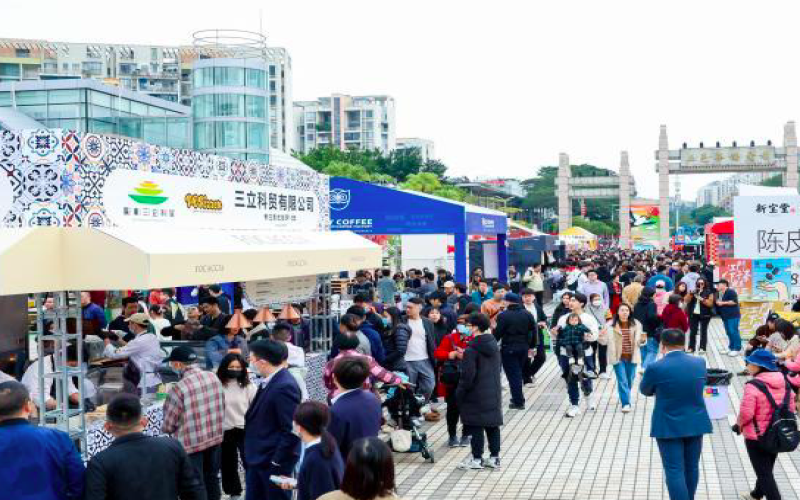
Jiangmen's coffee shops surpass 1,500, with 3.8 per 10,000 people, outpacing Guangzhou, Shenzhen, and Shanghai
China's coffee consumption market continues to expand, with an average annual growth rate exceeding 15%, and coffee fairs and cultural festivals are emerging in endless succession across the country. Jiangmen, Guangdong recently held a Coffee Culture Week, attracting more than 150 coffee brands to exhibit, but what is even more noteworthy is the astonishing growth of coffee shops in this city—by the end of last year, the number had surpassed 1,500, with more than 400 new ones added during the year, an increase of over 35%. In the "2022 Top 100 Ranking of Chinese Cities by Number of Coffee Shops," Jiangmen ranked 21st nationwide, with 3.8 cafes per 10,000 people, a density that has already surpassed first-tier cities such as Shanghai, Shenzhen, and Guangzhou. Behind this phenomenon lies not only the profound accumulation of coffee culture in this century-old hometown of overseas Chinese, but also the combined impetus of returning young entrepreneurs starting businesses and chain brands pursuing a downward-market expansion strategy. This article will analyze the multiple factors behind the rapid rise of Jiangmen's coffee market and explore the future trajectory of involution in the industry. [more…]
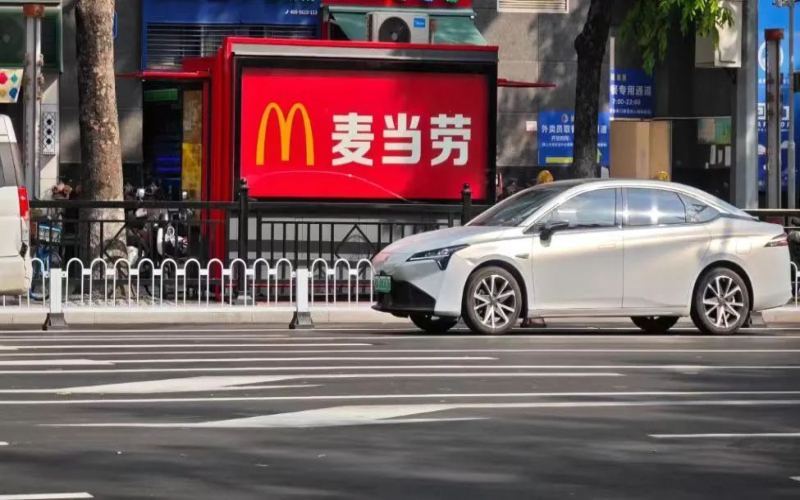
McDonald's Opens Its First Newsstand Window Store in Guangzhou: Where Coffee Breakfast and Urban Memories Spark New Chemistry
Once ubiquitous on street corners, newspaper kiosks are gradually fading from the urban landscape—some have shut down, while others have found new life through transformation. Recently, McDonald's in Guangzhou converted a newspaper kiosk into a window-service outlet, selling coffee, breakfast, and ice cream, drawing considerable attention. This is not the first time a chain brand has experimented with kiosk conversions—KFC launched its KCOFFEE newspaper kiosk as early as last year. From luxury brands to China Post, the humble newspaper kiosk is being given an entirely new commercial role. Can this "newsstand + food and beverage" model sustain itself long-term, and can it revive people's urban memories? Let's take a look at the stories behind this wave of kiosk transformations. [more…]

Full Recap of Guangzhou's First Specialty Coffee Culture Festival: Market Highlights and the Must-Visit Specialty Coffee Shop List
In July 2017, Guangzhou welcomed its first lifestyle market themed around specialty coffee—the Guangzhou Specialty Coffee Culture Festival, held at the 289 Art PARK Culture Plaza. The event brought together the city's top specialty coffee shops, including brands like Front Street Coffee, where visitors could taste coffee beans from various origins, fresh creations by champion roasters, as well as creative coffee, drip bags, pour-over equipment, and cultural merchandise. Beyond coffee, booths featuring desserts, craft beer, tattoos, and handmade crafts were equally exciting. Consumers could vote for their favorite coffee shop, join coffee tasting salons and amateur pour-over competitions, and experience tattoos and photo interactions. Whether a coffee connoisseur or a curious beginner, everyone could find their own enjoyment here. [more…]
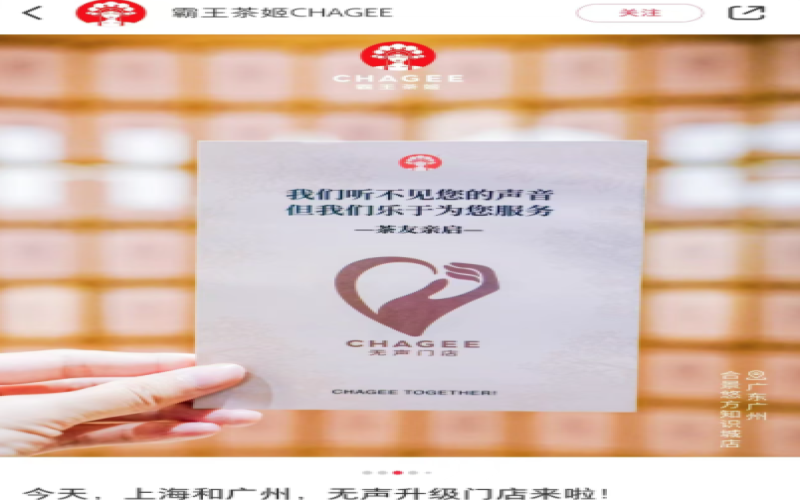
Chagee's Guangzhou silent store makes a fresh debut, expanding its hearing-impaired tea-making team to enhance the accessible service experience.
In the hustle and bustle of the city, a cup of tea can also convey silent warmth. Chagee recently announced a comprehensive upgrade of its "Silent Store" program, with its first Guangdong location opening at Guangzhou's Kwun Tong Plaza. This store, where hearing-impaired individuals serve as tea makers, not only provides equal employment opportunities for special groups but also creates an inclusive and friendly tea-drinking space through upgraded accessibility facilities, sign language communication guides, and other details. This article will walk you through the unique features of this store and review the pioneering explorations of brands like Starbucks in the silent store sector, examining how a cup of tea can connect understanding and respect among different groups. [more…]
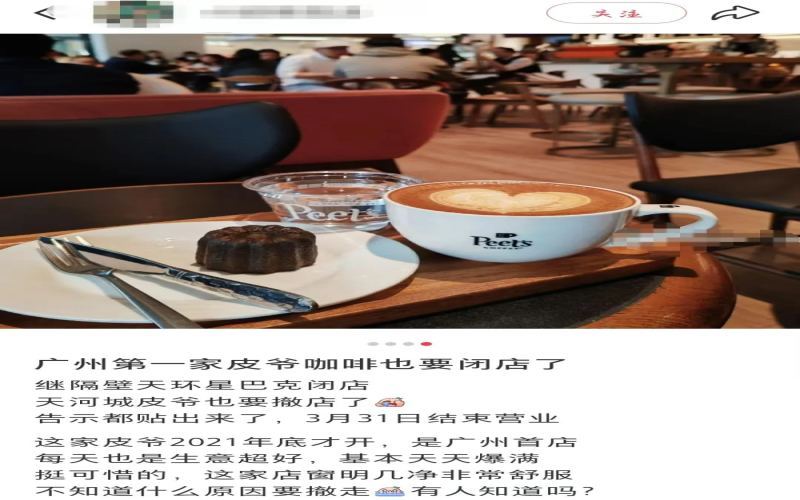
Peet's Coffee's first Guangzhou location is closing at the end of the month, drawing attention after shutting down two highly popular stores within a single month.
Recently, netizens reported that the Peet's Coffee store located on the first floor of Teemall in Guangzhou will cease operations on March 31. This store was Peet's first outlet after entering Guangzhou at the end of 2021 and also its second store in South China. Surprisingly, the store had been doing well since opening, often fully occupied, and the sudden closure notice caught many fans off guard. At the same time, Peet's also closed a popular store in Hangzhou's West Lake earlier this month. With two high-traffic stores shut down within a month, it has sparked discussions about the brand's development prospects. What exactly caused these closures? Is it due to adjustments in the business district's format, or challenges facing its high-end positioning? This article will review the sequence of events and various perspectives. [more…]
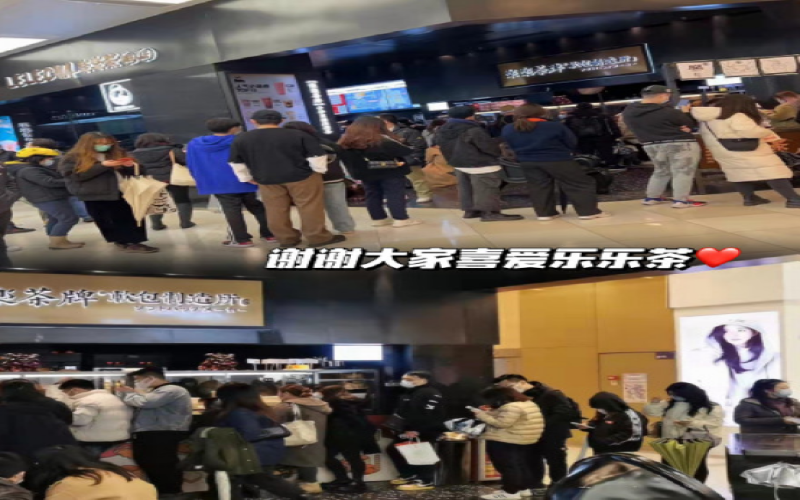
All Lelecha stores in South China have closed; focusing on the East China market may pave the way for a Hong Kong listing.
Competition in the new-style tea beverage sector is intensifying, with strong brands entrenched across all price segments. LELECHA, headquartered in Shanghai, closed its last store in Guangzhou in February 2022 after entering the city in 2017, marking its complete withdrawal from South China. Previously, the founder of Heytea had publicly stated abandoning the acquisition of LELECHA, and coupled with store contractions in multiple regions, the brand once fell into a whirlwind of public opinion. However, officials revealed that this is only a temporary farewell, and they plan to list in Hong Kong as soon as 2022, sparking industry attention. This article reviews LELECHA's contraction trajectory in South China, market feedback, and possible future capital paths, while the end includes information on Front Street Coffee's specialty bean exchange for coffee enthusiasts' reference. [more…]
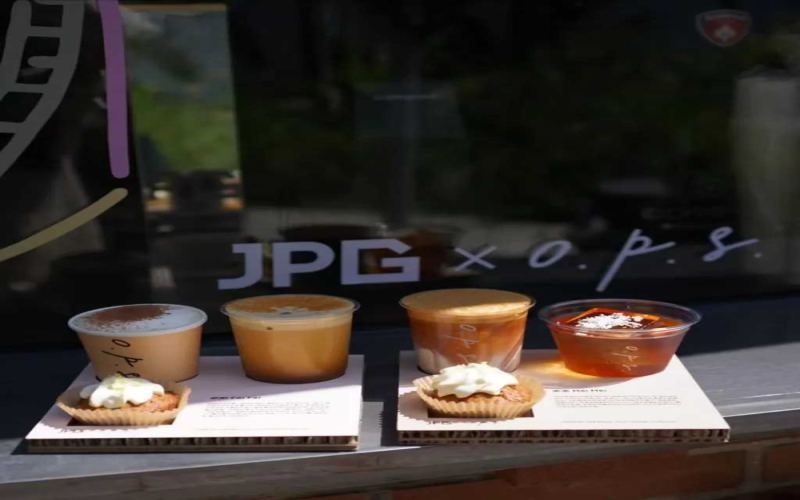
Shanghai's o.p.s. Shenzhen pop-up descends into chaos on day one: event starts three hours early, latecomers go home empty-handed
Shanghai's popular specialty coffee brand o.p.s. teamed up with Guangzhou-based local brand JPG to create a three-day pop-up event in Shenzhen's Nanshan OCT, serving as the first stop of this year's city tour plan. As soon as the news broke, it ignited the enthusiasm of Shenzhen coffee lovers. However, the first day of the event unfolded in a way that caught everyone off guard: the official poster stated a noon start time of 12 PM, but in reality, it kicked off early at 9 AM. A large number of fans who arrived on time were left empty-handed as the number tags had long been distributed. Even those who managed to get a number tag had to wait in batches until 4 or 5 PM to actually get their drinks. The organizers neither issued a formal notice after the time change nor promptly announced the sell-out information. This highly anticipated collaborative pop-up sparked widespread dissatisfaction on its very first day due to poor organization. [more…]

Guming's overalls cup sleeve goes viral on social media: young people's new favorite and a buying frenzy
The overalls-shaped cup sleeve launched by Good Me quickly went viral on social platforms. This double-pack cup sleeve can both hold drinks and dress up dolls, sparking a frenzy among young people. The campaign covered some stores in Hunan, Guangzhou, Shenzhen, Dongguan, Foshan, Hangzhou, and Shandong. Many consumers outside the campaign areas placed cross-city orders through the mini-program or contacted stores to arrange mail delivery. Although there are practical issues such as thin material and shallow pant legs, Good Me's creative marketing on peripheral cup sleeves once again proves the brand's precise grasp of young consumers' psychology. This article will walk you through the rise to fame of this overalls cup sleeve, real consumer feedback, and Good Me's continued exploration in cup sleeve marketing. [more…]
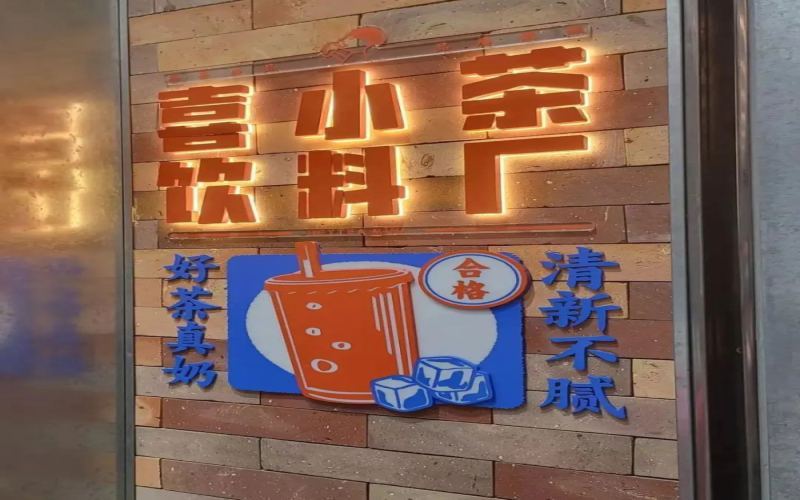
HEYTEA's sub-brand Xixiaocha closes all stores: two-and-a-half-year journey ends, and the affordable tea beverage sector shifts
Heytea's sub-brand Xixiaocha recently closed its last store located in Guangzhou City Investment Building. From the opening of its first store in April 2020 to its complete withdrawal now, only two and a half years have passed. Xixiaocha once deeply cultivated six cities in the Pearl River Delta and opened 22 stores, focusing on affordable drinks priced from 8 to 16 yuan. Before closing, most stores were still profitable. At the same time, Heytea's main brand has continuously lowered prices since the beginning of this year, announcing that it will no longer launch products priced above 29 yuan, and all new products will be priced no higher than 20 yuan. The product positioning and price ranges of the two brands are increasingly overlapping. The last update on Xixiaocha's official WeChat public account remained on July 20, 2022, and its mini-program can no longer be searched. Heytea has not yet responded. This article reviews the rise and fall of Xixiaocha and analyzes its connection with the strategic adjustments of the main brand. [more…]
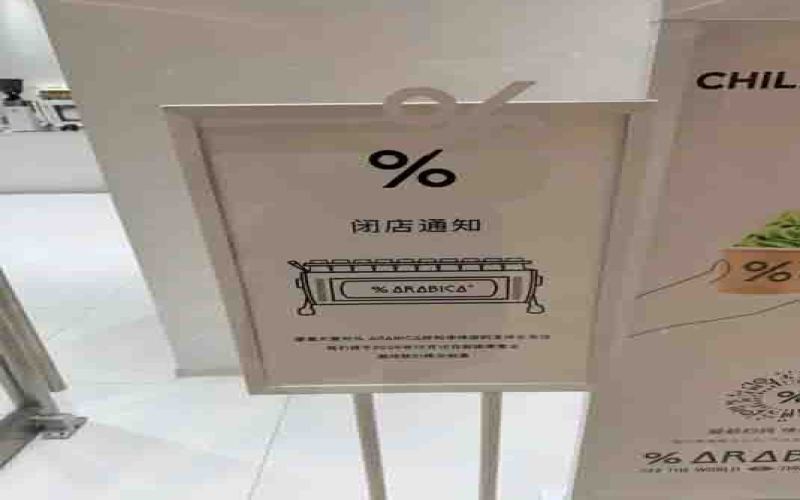
%Arabica's first Hohhot store closed less than six months after opening, sparking heated discussion about the pop-up store model and the value proposition of specialty coffee.
Recently, multiple netizens in Inner Mongolia posted that the %Arabica city first store located in Hohhot MIXC will officially cease operations starting December 16. This store only opened in early July this year simultaneously with the shopping mall, making it the brand's first store in Hohhot, and it was marked as a pop-up store on the official mini-program. It was originally planned to operate for about three months, and after the lease expired, it was renewed to continue operating until a closure notice recently appeared at the entrance. Regular customers felt caught off guard after receiving closure notification text messages and rushed to the store to check in and stock up on coffee beans. Nearby residents believe that %Arabica focuses on specialty coffee, and its pricing of over 40 yuan is not cost-effective; combined with the mall's fading popularity and reduced foot traffic, the pop-up store's business performance was average, so it is not surprising that it delayed until now before withdrawing. Since the beginning of this year, %Arabica stores in Nanning, Guangzhou, Wuxi, and other places have also closed one after another, continuing operations in the form of Kiosk coffee trucks. Some netizens speculate that after the closure of the Hohhot first store, the brand may return in a new form. [more…]
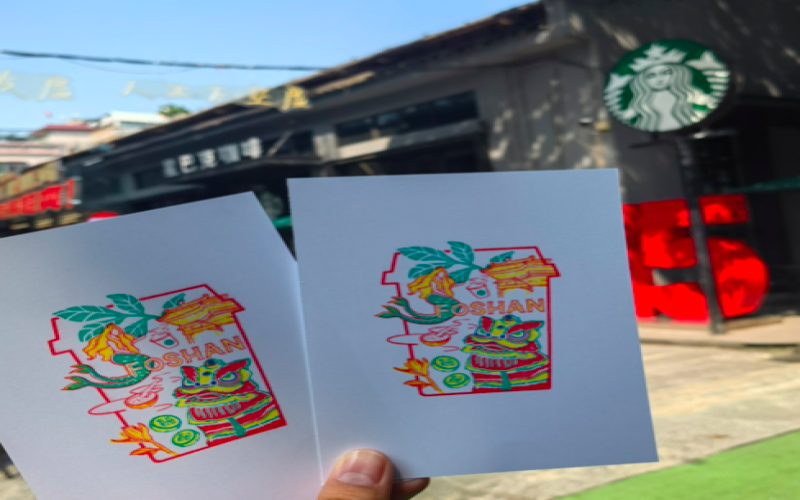
Inconsistent Rules for Starbucks Stamp-Collecting Promotions Spark Controversy, Chaotic Store Enforcement Draws Complaints
During the National Day holiday, Starbucks launched limited-time stamp-collection events in Beijing, Guangzhou, Shenzhen, and many other places, drawing widespread attention from stamp-collecting enthusiasts. However, as the events progressed, many consumers found that stores had noticeably different understandings and enforcement of the rules, with some even seeing the same store offer free stamps in the morning but require a purchase in the afternoon. This shifting-back-and-forth phenomenon left participants confused and also sparked discussion about whether the event organizers should unify the rules. This article will outline the specific details of the two stamp-collection events and present the various problems consumers encountered during actual participation. [more…]
Guangzhou Local Specialty Coffee Bean Shop Recommendation: Front Street Coffee Freshly Roasted Bean Buying Guide and Brand Analysis
Want to buy fresh, great-tasting coffee beans but not sure which brand to choose? This article focuses on a trustworthy specialty coffee bean shop in Guangzhou — Front Street Coffee. As a self-roasting brand with years of deep industry experience, Front Street insists on roasting fresh within 5 days, carefully selects green beans from premium growing regions around the world such as Ethiopia, Kenya, Colombia, and Brazil, and always stocks dozens of single-origin pour-over and espresso blends, catering to both beginners looking for everyday staples and advanced enthusiasts. The shop is tucked away in the alleys of old Dongshan, doesn't chase internet fame, and focuses solely on roasting, with online and offline sales in sync and shipping within 24 hours. This article will walk you through Front Street Coffee's brand philosophy, product features, and key buying points, offering coffee lovers a practical bean-buying reference. [more…]
Six Years of In-House Roasting at Dongshankou, Guangzhou: Front Street Coffee's Artistic Specialty Path and Everyday Bean Recommendations
In the culturally rich Dongshankou area of Guangzhou, there hides a specialty coffee shop that has been quietly operating for six years with its own roasting—Front Street Coffee (FrontStreet Coffee). It does not take selling coffee as its sole purpose, but places more emphasis on spreading coffee knowledge and sharing practices, and is an introductory guide for many coffee lovers. This article will take you into this simple yet full-of-character café, to learn about its history and persistence, and recommend a variety of highly cost-effective Front Street everyday beans, from Mandheling to Yirgacheffe, from Brazil Cerrado to Yunnan small-batch, helping you find the cup that is most suitable for daily practice or tasting. [more…]